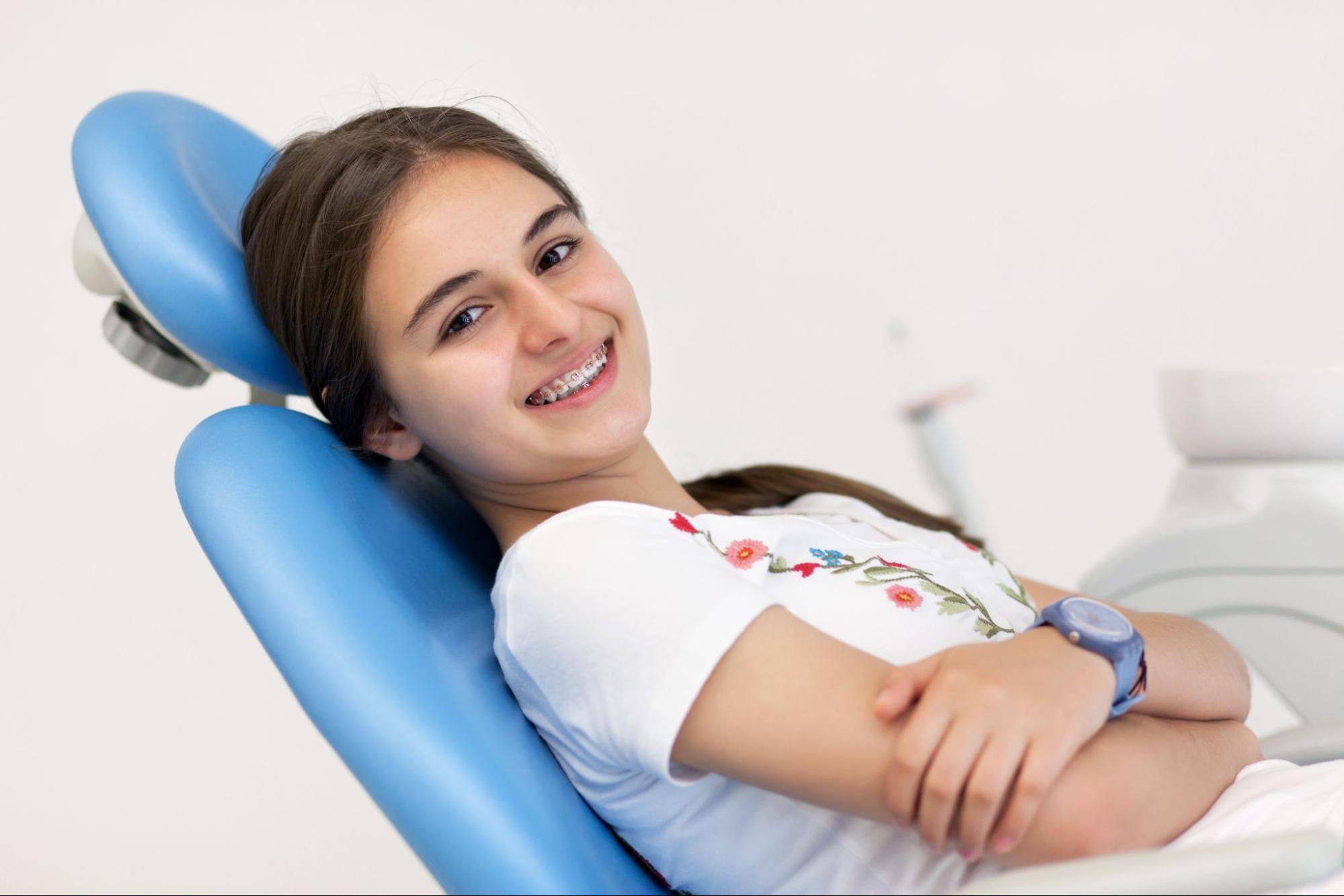
Getting sick with braces adds a layer of care most people don’t think about until they’re already sniffling on the couch. Whether you’re fighting a cold, flu, or stomach bug, your orthodontic appliances still need attention, even when all you want to do is sleep. This guide walks you through how to maintain your braces during illness so you can rest easy and protect your treatment progress.

What It Means to Maintain Braces During Illness
Learning how to maintain your braces during illness means adjusting your usual routine to protect your teeth, brackets, and aligners while your body fights off a cold, flu, or stomach bug. It covers hygiene changes, smart medication choices, food and drink swaps, and knowing when to call your orthodontist. The goal is simple: keep your mouth healthy and your treatment on track.
When you’re sick, your immune system is working overtime. Dry mouth from decongestants, sugary cough drops, acidic vomit, and skipped brushing all raise your risk of plaque buildup, cavities, and sore spots. Braces and aligners add trapping points for bacteria, which makes a few small adjustments really matter.
Sick-day care usually comes down to four things:
- Gentle but consistent hygiene
- Thoughtful food, drink, and medicine choices
- Protecting appliances from damage
- Knowing when to reach out for help
At Smith & Heymann Orthodontics, Dr. J. Dempsey Smith, Dr. Gavin Heymann, and Dr. Katya Skillestad are the orthodontists who guide patients through everyday hiccups like these. A quick phone call can save you a bigger visit later.
How to Care for Braces Step-by-Step When You’re Sick
Here’s a simple routine you can follow even on your lowest-energy days. Each step takes just a few minutes and helps protect both your smile and your treatment timeline.
- Keep up your usual brushing and flossing. Use a soft-bristled toothbrush with gentle pressure, and reach for a water flosser if you are worn out, since it cleans quickly with little effort. For technique, see our seven tips for brushing with braces.
- Rinse with warm saltwater. Mix about a teaspoon of salt in a cup of warm water. Swish for 30 seconds a few times a day to soothe a sore throat, calm mouth irritation, and lower bacteria. Alcohol-free mouthwash works too.
- Wait 30 minutes after vomiting before brushing. Stomach acid softens enamel, so brushing right away can scrub it off. Instead, rinse with water or a saltwater mix first, then brush when the half hour is up.
- Remove aligners or retainers before vomiting. If you feel it coming, take them out and store them in your case. Rinse them with cool water and clean them before putting them back in.
- Replace your toothbrush after you recover. Bacteria and viruses can linger on bristles. A fresh brush helps prevent reinfection and keeps your gums happy.
- Hydrate often. Sipping water throughout the day flushes food particles, soothes dry mouth, and keeps saliva flowing. Saliva is your mouth’s natural defense.
If a bracket pops loose or a wire shifts while you’re sick, give our team a call. We can often guide you through a temporary fix at home until you’re well enough for a visit.
Benefits of Diligent Braces Care During Illness
Sticking with sick-day care may feel like one more thing on your plate, but the payoff is worth it. A little effort during a cold or flu can save you weeks of setbacks later. Here’s what consistent care protects:
- Fewer cavities and less gum irritation. Your immune system is busy fighting the virus, which can leave your mouth more vulnerable. Keeping plaque down helps your gums stay calm and your enamel strong.
- No surprise treatment delays. Broken brackets, damaged aligners, or missed appointments can push your finish date back. Protecting your appliances now keeps your timeline on target.
- Less mouth irritation and fewer canker sores. Cold meds often cause dry mouth, which makes braces rub more than usual. Hydration and gentle rinsing reduce friction and soothe soft tissue.
- Enamel protection after vomiting. Stomach acid is tough on teeth. Rinsing with water first and waiting to brush helps preserve the enamel that keeps your smile healthy for life.
- Cleaner aligners and retainers. Taking appliances out when you’re coughing hard or feeling nauseous keeps bacteria from building up. A quick rinse and clean before reinserting prevents odor and discoloration.
- A faster bounce-back. Lowering the bacterial load in your mouth means your body can focus on healing instead of fighting infection on multiple fronts.
- Peace of mind. When you know you’ve done the small things right, you can actually rest without worrying about damaging your progress.
Think of it this way: your treatment is a partnership between you and your orthodontist. When you handle the day-to-day basics, we can handle the bigger picture at your next visit. Consistent oral hygiene is one of the biggest factors in finishing treatment on schedule.
Braces vs. Aligners: Sick-Day Care Compared
Different appliances need different approaches when you’re under the weather. Here’s a quick side-by-side so you know what to focus on.
| Sick-Day Factor | Modern Braces (Metal or Clear) | Invisalign |
|---|---|---|
| Can you remove them? | No. Clean carefully around brackets and wires. | Yes. Remove before vomiting or heavy coughing. |
| Cough drops | Choose sugar-free, soft lozenges. Hard candies can break brackets. | Remove aligners first. Sugary drops cause decay against trays. |
| Vomiting | Rinse with water, wait 30 minutes, then brush gently. | Remove aligners before, rinse mouth and trays, clean before reinsertion. |
| Sugary liquid medicine | Rinse mouth with water after each dose. | Remove aligners, take medicine, rinse mouth, then reinsert. |
| Irritation relief | Orthodontic wax over rough spots. Saltwater rinses. | Smooth any sharp edges with a nail file. Saltwater rinses. |
| Appliance storage | Not applicable. | Always use a case. Never wrap in a napkin. |
| Hydration | Essential. Water is your best friend. | Essential. Only water while aligners are in. |
Both options benefit from the same basics: hydration, gentle hygiene, and smart food choices. The main difference is that aligner patients have the flexibility to remove their trays during the worst moments, while braces wearers need to be a little more careful about what goes in their mouth.
Whichever path you’re on, Dr. Smith, Dr. Heymann, and Dr. Skillestad can give you specific guidance based on your treatment plan. If you use Dental Monitoring, our team can also check in on your progress remotely while you recover.
Risks of Neglecting Braces When Sick
Skipping care for a few days might feel harmless, but the consequences can add up quickly. Here’s what’s at stake when sick-day habits slip:
- Emergency bracket repairs. A broken bracket from a hard cough drop or crunchy snack usually means an unscheduled visit. That’s time off work or school and an interruption to your treatment plan.
- Cavities from sugary medicines and lozenges. Many cough drops, syrups, and chewables are loaded with sugar. When that sugar sits on teeth around brackets, decay can start fast. Fillings mid-treatment aren’t fun for anyone.
- Enamel erosion from stomach acid. Repeated vomiting without proper rinsing can thin enamel permanently. This affects both the look and strength of your teeth long after braces come off.
- Extended treatment time. Missed hygiene, damaged appliances, and skipped appointments all add weeks or months to your finish date. Staying consistent keeps you on schedule.
If something does go wrong, don’t wait it out. Call Smith & Heymann Orthodontics and let our team help you figure out the next step. Many issues can be managed with simple at-home guidance until you feel well enough to come in.
Who Should Follow These Sick-Day Guidelines
These tips apply to just about everyone in active orthodontic treatment. If you or your child falls into any of these groups, this routine is for you:
- Damon metal braces patients. Metal brackets are durable, but hard foods and sticky candies can still cause breakage.
- Damon clear braces patients. Clear brackets need gentle care to avoid staining from colored syrups and sugary drinks.
- Invisalign patients. Aligners should come out for any sugary medicine, sports drink, or vomiting episode.
- Retainer wearers. Clean retainers daily and store them safely when you take them out.
- Patients with expanders or other appliances. Extra hardware means extra places for food and bacteria to hide. Water flossers help a lot here.
- Parents of kids in treatment. Little ones often need help remembering to brush and rinse when they feel awful. Keep sugar-free options on hand.
- Anyone with a cold, flu, stomach bug, or chronic condition. Even ongoing illnesses like allergies or acid reflux can affect your mouth. The same gentle habits apply.
Dr. J. Dempsey Smith, Dr. Gavin Heymann, and Dr. Katya Skillestad, our orthodontists, care for patients of all ages across every treatment type. If you’re ever unsure what to do when you’re sick, a quick phone call can clear things up.
Frequently Asked Questions
Can I skip brushing when I’m sick with braces?
It’s best not to skip, even on your worst days. Plaque builds up quickly around brackets, and dry mouth from cold medicine makes it worse. If you truly can’t manage a full brush, at least swish with water or an alcohol-free mouthwash and try again when you have a little energy. A short brush is better than none.
What should I do if I throw up with braces on?
First, rinse your mouth with water or a saltwater mix to clear away stomach acid. Wait about 30 minutes before brushing, since acid softens enamel and immediate brushing can wear it down. Then brush gently with a soft-bristled toothbrush. Staying hydrated afterward also helps protect your teeth.
Are cough drops safe for braces?
Sugar-free cough drops are the safer choice. Regular lozenges are often full of sugar that clings to brackets and causes cavities, and hard candies can break brackets or bend wires. Look for sugar-free options that dissolve slowly, and rinse with water after using them.
Should I reschedule my orthodontist appointment if I have a cold?
Yes, please let us know. If you have a fever, active flu, or stomach bug, it’s kinder to yourself and our team to reschedule. A simple head cold is usually okay, but call ahead so we can decide together. We’ll find a new time that works for you.
Do I need a new toothbrush after being sick?
Yes, swapping out your toothbrush after you recover is a smart habit. Bacteria and viruses can linger on bristles and potentially cause reinfection. A fresh brush helps your mouth start clean. The same goes for your water flosser tip.
Can I wear my aligners when I have the flu?
You can, but take them out whenever you’re coughing hard, drinking anything other than water, or taking sugary medicine. If you feel nauseous, remove them and store them in your case. Clean them before putting them back in. Keep up your usual wear time as much as your energy allows.
Staying consistent with sick-day care protects both your smile and your treatment timeline. If you have questions or need guidance, our team at Smith & Heymann Orthodontics is here for you at our Durham, Chapel Hill, Mebane, and Roxboro offices. You can also schedule a free consult anytime to learn more about your options. You’re like family to us, and we want you feeling your best, inside and out.